Set in the Front Range of the Rocky Mountains, Rocky Mountain National Park is one of the most spectacular high-elevation national parks in the United States. The park is rich in mountain forests, alpine tundra, meadows, wildlife, and lakes tucked below rugged peaks. If you enjoy scenic drives and high-country hiking, Rocky Mountain National Park is one of the best choices in Colorado.
Because there are a variety of geologic features in the park that span multiple levels of elevation, visiting Rocky Mountain National Park requires more preparation than other national parks.
So what do you need to do before you go to Rocky Mountain National Park?
Recommended Travel Credit Cards:
Table of Contents
Points of Interest of Rocky Mountain National Park
Rocky Mountain National Park has a variety of natural geology such as Mori Stand, meadows, alpine lakes, glacial canyons, and more, and throughout the park, there are more than 350 miles of hiking trails that you can follow to enjoy natural views at varying altitudes between 8,000 feet and 14,000 feet above sea level.
In addition to hiking tours, the park has several not-to-be-missed carriage roads along which you can more easily enjoy the scenery along the way. Or you can explore Rocky Mountain National Park by bike or horseback.
The richness of the landscape nourishes an abundance of wildlife, so it’s also a wildlife watcher’s paradise, so get your binoculars and camera ready, and you’ll capture stunning natural landscapes.
While summer is the best time to visit Rocky Mountain National Park, if you visit in the winter, you can experience hiking in the snow or cross-country skiing.


The Best time to visit Rocky Mountain National Park
Rocky Mountain National Park is open year-round.
However, visitors usually choose to visit the park between May and October each year because that’s when the snow and ice melt, most of the hiking trails and camping sites open, and the wildlife becomes more active.
Of these, July through early September is the period when the park is most heavily patronized and has the best environment to play in, but it can be crowded at times, especially with parking.
In June or late September, when temperatures are cooler, the scenery will be different from the summer period, and some trails may be closed due to weather, but this time of year there is relatively little traffic.
In May and October, Rocky Mountain National Park may still get occasional snowfall, and the snow that begins to melt on the trails can make hiking more hazardous and better suited for sightseeing by car.
The yearly temperature distribution in Rocky Mountain National Park is shown below:

Direct Flights to Rocky Mountain National Park
The most important airports near Rocky Mountain National Park are:
- Denver International Airport (DEN): a 90-minute drive to Rocky Mountain National Park.
- Eagle County Airport (EGE): the drive to Rocky Mountain National Park takes about 2 hours and 5 minutes.
- Yampa Valley Region Airport (HDN): the drive to Rocky Mountain National Park takes about 2 hours and 17 minutes.
- Aspen/Pitkin County Airport (ASE): the drive to Rocky Mountain National Park takes about 3 hours and 14 minutes.
- Colorado Springs (COS): the drive to Rocky Mountain National Park takes about 2 hours and 34 minutes.
Denver International Airport (DEN)
It takes about 90 minutes to drive from DEN Locomotive to Rocky Mountain National Park.
187 metropolitan airports within the United States offer direct nonstop flights to DEN.
Airlines offering direct flights to DEN are American, United, Delta, Southwest, Frontier, Key Lime, Allegiant, Spirit, and JetBlue.
You can check direct flights to DEN from nearby airports.
| Direct Flight City (Airport code) | Flight Time | Airline |
|---|---|---|
Seattle (SEA) | 2 hours 47 minutes | Alaska Delta Frontier Southwest United |
Portland (PDX) | 2 hours and 35 minutes | Alaska Frontier Southwest United |
Salt Lake City (SLC) | 1 hour 28 minutes | Delta Frontier Southwest United |
San Francisco (SFO) | 2 hours and 37 minutes | Frontier Southwest United |
Los Angeles (LAX) | 2 hours and 29 minutes | American Delta Southwest United |
Santa Ana (SNA) | 2 hours and 30 minutes | Frontier Southwest United |
San Diego (SAN) | 2 hours and 34 minutes | Frontier Southwest United |
Phoenix (PHX) | 1 hour 48 minutes | American Frontier Southwest United |
San Antonio (SAT) | 2 hours and 19 minutes | Frontier Southwest United |
Dallas (DFW) | 2 hours and 01 minutes | American Frontier United |
Dallas (DAL) | 2 hours and 05 minutes | Southwest |
New Orleans (MSY) | 3 hours 01 minutes | Frontier Southwest United |
Birmingham (BHM) | 2 hours 55 minutes | Southwest United |
Chicago (MDW) | 2 hours and 38 minutes | Frontier Southwest |
Washington (IAD) | 4 hours and 05 minutes | Southwest United |
Syracuse (SYR) | 4 hours and 03 minutes | Frontier United |
Boston (BOS) | 4 hours and 43 minutes | Delta JetBlue Southwest United |
Detroit (DTW) | 3 hours. | Delta Frontier Southwest United |
Reno (RNO) | 2 hours and 10 minutes. | Southwest United |
St. Louis (STL) | 2 hours 23 minutes | Frontier Southwest United |
Eagle County Airport (EGE)
The drive from EGE Airport to Rocky Mountain National Park takes about 2 hours and 5 minutes or so.
Below is information on direct flights to EGE airports from cities in the United States:
| Direct Flight City (Airport code) | Flight Time | Airline |
|---|---|---|
San Francisco (SFO) | 2 hours, 37 minutes. | United |
Los Angeles (LAX) | 2 hours and 12 minutes. | United American |
Phoenix (PHX) | 1 hour 55 minutes | American |
Austin (AUS) | 3 hours 15 minutes | American |
Houston (IAH) | 2 hours 55 minutes | United |
Dallas (DFW) | 2 hours and 30 minutes | American |
Miami (MIA) | 4 hours 43 minutes | American |
Atlanta (ATL) | 3 hours 49 minutes. | Delta |
New York (EWR) | 4 hours 47 minutes. | United |
New York City (JFK) | 2 hours and 14 minutes. | American |
Chicago (ORD) | 2 hours and 14 minutes. | American United |
Yampa Valley Region Airport (HDN)
The drive from HDN Airport to Rocky Mountain National Park takes about 2 hours and 17 minutes or so.
Below is information on direct flights to HDN airports from cities in the United States.
| Direct Flight City (Airport code) | Flight Time | Airline |
|---|---|---|
Seattle (SEA) | 2 hours 17 minutes. | Alaska |
San Francisco (SFO) | 2 hours and 22 minutes. | United |
Los Angeles (LAX) | 2 hours 08 minutes. | United |
San Diego (SAN) | 2 hours and 12 minutes. | Alaska |
Houston (IAH) | 3 hours 01 minutes. | United |
Dallas (DFW) | 2 hours and 14 minutes. | American |
Dallas (DAL) | 2 hours and 40 minutes | Southwest |
Atlanta (ATL) | 3 hours and 52 minutes | Delta |
Nashville (BNA) | 3 hours and 20 minutes | Southwest |
Washington (IAD) | 4 hours and 24 minutes. | United |
| 4 hours 48 minutes. | United |
Chicago (ORD) | 3 hours 01 minutes. | United |
Aspen/Pitkin County Airport (ASE)
The drive from the airport to Rocky Mountain National Park takes about 3 hours and 14 minutes or so.
Below is information on direct flights to ASE airports from cities in the United States:
| Direct Flight City (Airport code) | flight time | airline company |
|---|---|---|
San Francisco (SFO) | 2 hours and 22 minutes. | United |
Los Angeles (LAX) | 2 hours 08 minutes. | American Delta United |
Phoenix (PHX) | 1 hour 41 minutes. | American |
Austin (AUS) | 2 hours and 12 minutes. | American |
Houston (IAH) | 2 hours and 42 minutes. | United |
Dallas (DFW) | 2 hours 15 minutes | American |
Atlanta (ATL) | 4 hours 03 minutes. | Delta |
Chicago (ORD) | 2 hours 49 minutes. | American United |
Colorado Spring (COS)
The drive from COS Airport to Rocky Mountain National Park takes about 2 hours and 34 minutes or so.
Below is information on direct flights to COS airports from cities in the United States:
| Direct Flight City (Airport code) | Flight Time | Airline |
|---|---|---|
Salt Lake City (SLC) | 1 hour 38 minutes. | Delta |
Las Vegas (LAS) | 1 hour 54 minutes | FrontierSouthwest |
Los Angeles (LAX) | 2 hours 21 minutes. | United |
San Diego (SAN) | 2 hours 10 minutes | Southwest |
Phoenix (PHX) | 1 hour 48 minutes | Frontier Southwest |
San Antonio (SAT) | 2 hours 10 minutes | Southwest |
Houston (HOU) | 2 hours and 25 minutes. | Southwest |
Houston (IAH) | 2 hours and 24 minutes. | United |
Dallas (DFW) | 2 hours 10 minutes | American |
Dalla (DAL) | 2 hours. | Southwest |
Chicago (MDW) | 2 hours and 30 minutes | Southwest |
Chicago (ORD) | 2 hours and 40 minutes | American United |
Denver (DEN) | 45 cents | Southwest United |
Transportation of Mountain National Park
There are two well-known roads in Rocky Mountain Park, Trail Ridge Rd, which is paved and in good condition, and Old Fall River Rd, which is more primitive and challenging to drive.
Also in the eastern part of the park, two shuttle bus routes are set up for free rides to several of the most popular attractions.

A. Entrance to Rocky Mountain Park
Rocky Mountain National Park has a total of four entrances, which are:
- Fall River Entrance, Beaver Meadows Entrance Station, and Wild Basin Entrance on the east side of the park
- Grand Lake Entrance Station in the West
The Fowl River Entrance and Beaver Meadows Entrance Stations on the east side are near Estes Park and are the most heavily traveled entrances. The False River Entrance is located on Highway 34, the Beaver Meadow Entrance Station is located on Highway 36, and the Wild Basin Entrance can be reached by turning onto Intercity 84 from Interstate 7.
The Western Region’s Grand Lake Entrance Station is located within Grand Lake Town, accessible along Highway 34, and many visitors choose to stay and dine in Grand Lake Town.
On weekends and holidays from late May to early October, you can also take a commercially operated Bustang bus from Table Mesa Park-N-Ride (map) in Boulder, Colorado, to the Estes Park Visitor Center, then catch the Rocky Mountain National Park’s Hiker Shuttle into the park.
Ride the Bustang bus, you must have a permit to enter Rocky Mountain Parks, the bus is equipped with bike racks [link to purchase tickets].
A. Self-drive tours
Most of the roads in Rocky Mountain National Park are paved driveway roads in good condition, but it is still recommended that you check the park’s up-to-date condition information page to determine if there are any temporary road closures before traveling.
Something to keep in mind:
- There are a large number of continuous sharp curves, and some steep hills on Old Fall River Road, so large vehicles and trailers should avoid this road.
- During the summer months, in addition to a permit to enter the park, self-driving visitors will need to book a Timed Entry Permit (TEP) to drive into the park and book a connection.
- When making a reservation, the park will provide you with a designated time slot for a specific date, usually with a 2-hour window of time, such as choosing August 28th from 9 a.m. to 11 a.m. Once you have made a reservation, you must drive into the park during that time slot, and thereafter you can drive in and out of the park without restriction for the duration of your entry permit.
- Timed-entry reservations are made online and are not sold at entrance stations.
- For 2026, timed-entry reservations are required from May 22 through October 12 for most areas between 9 a.m. and 2 p.m.; Timed Entry + Bear Lake Road reservations are required from May 22 through October 18 for the Bear Lake Road Corridor between 5 a.m. and 6 p.m.
- If you have a reservation for the Aspenglen Campground, Glacier Basin Campground or Moraine Park Campground in the park, you can use your campground reservation information to enter the park without reserving a timed entry permit.
B. Shuttle buses in the park

Free Shuttle Bus
Each year from May to October, Rocky Mountain National Park runs shuttle service connecting key park areas, including routes serving Bear Lake Road that travels to and from many attractions within the park.
At the transportation hub, you can catch one of the two free shuttle buses within the park, the Bear Lake Line or the Moraine Park Shuttles, which do not have bike racks.
The Bear Lake line offers three stops: the Bierstadt Lake Trailhead, the Glacier Gorge Trailhead, and Bear Lake.
The Moraine Park Shuttles line offers six stops: Sprague Lake/Glacier Creek Stables, Hollowell Park, Tuxedo Park, Moraine Park Campground, Cub Lake Trailhead, and Fern Lake Bus Stop. Park Campground, Cub Lake Trailhead, and Fern Lake Bus Stop.
You can get the most up-to-date schedules by checking the park’s latest shuttle operation information page.
Hiker Shuttle
The paid shuttle is called the “Hiker Shuttle” and you must make a reservation to board the bus, which makes only two stops:
- Estes Park Visitor Center
- Park & Ride Transit Hub in Rocky Mountain National Park
D. Group tours
If you don’t want to drive yourself or take a shuttle bus tour of the park, you can join a local commercial tour and visit with a group, such as signing up for a tour with a dealer such as Viator or Estes Park Guided Tours.
Lodging in Rocky Mountain National Park
Only campgrounds and camping accommodations are available in Rocky Mountain National Park, but you can find several comfortable lodgings near the park in Estes Park Town and Grand Lake Town.
A. Off-Park Lodging
Lodging outside of Rocky Mountain National Park is centered on: Estes Park Town to the northeast and Grand Lake Town to the southwest.
Estes Park Town
#1. Murphy’s Resort ⭐⭐⭐ 8.7/10.0 (1,275 reviews)
#2. Boulder Brook on Fall River ⭐⭐⭐ 9.1/10.0 (696 reviews)
#3. The Inn on Fall River & Fall River Cabins ⭐⭐⭐ 9.2/10.0 (489 reviews)
#4. Streamside on Fall River ⭐⭐⭐ 9.1/10.0 (659 reviews)
#5. Ponderosa Lodge ⭐⭐ 8.7/10.0 (250 reviews)
#6. 4 Seasons Inn on Fall River ⭐⭐⭐ 8.9 /10.0 (336 reviews)
#7. The Maxwell Inn ⭐⭐⭐ 8.9/10.0 (341 reviews)
#8. Silver Moon Inn ⭐⭐⭐⭐ 8.8/10.0 (360 reviews)
#9. Appenzell Inn ⭐⭐⭐ 8.7/10.0 (538 reviews)
#10. Quality Inn near Rocky Mountain National Park ⭐⭐⭐ 8.6/10.0 (319 reviews)
Grand Lake Town
#11. Western Riviera Lodging ⭐⭐⭐ 8.4/10.0 (292 reviews)
#12. Lone Eagle Lodge ⭐⭐ 8.6/10.0 (181 reviews)
#13. Columbine Cabins ⭐⭐ 8.0/10.0 (254 reviews)
#14. Grand Lake Lodge ⭐⭐ 8.1/10.0 (285 reviews)
#15. Gateway Inn ⭐⭐⭐⭐ 8.3/10.0 (393 reviews)
B. Campsites in the park
There are no hotel or lodge accommodations in Rocky Mountain National Park, but it offers several campgrounds and plenty of wilderness camping options.
Campground
- Aspenglen Campground 4.7/5.0 (84 reviews) Map
- Glacier Basin Campground 4.7/5.0 (256 reviews) Map
- Moraine Park Campground 4.6/5.0 (369 reviews) Map
- Timber Creek Campground 4.6/5.0 (148 reviews) Map
- Longs Peak Campground First-come, first-served 4.4/5.0 (26 reviews) Map
Wilderness Campsite
There are as many as 120 campgrounds that you will need to obtain a wilderness camping permit to go camping.
In campgrounds, there is usually level ground to pitch your tent and a limited number of different types of camping facilities, whereas in wilderness camping, there are no camping facilities and you will need to find your piece of level ground to pitch your tent.
So, if you want a more primitive camping experience, you can opt for wilderness camping, but if you don’t have enough camping experience, it is recommended to choose campground camping.

What are some good restaurants in Rocky Mountain National Park?
Dining in Rocky Mountain National Park is very limited, with only one store offering limited food and beverage service, whereas in several of the towns surrounding the park, dining options are abundant.
A. Dining in the park
There is only one store in the park that offers food service:
Trail Ridge Store 4.3/5.0 (15 reviews) map

You can get Cinnamon Roll, Muffins, Brownie, Fresh Cookie, Fresh Fruit, Chips & Pretzels as well as coffee, milk, hot tea, and other light meals.
B. Restaurants outside parks
As with lodging, restaurants outside the park are concentrated in the towns of Estes Park and Big Lake.
Estes Park Town
#1. Cinnamon’s Bakery 4.9/5.0 (423 reviews) map
#2. The Post Chicken & Beer – Estes Park 4.4/5.0 (269 reviews) map
#3. Antonio’s Real New York Pizza 4.5/5.0 (2,286 reviews) map
#4. Hunters Chop House 4.3/5.0 (1,146 reviews) map
#5. El Mex-Kal Family Mexican 4.2/5.0 (673 reviews) map
#6. Avant Garde Aleworks 4.8/5.0 (112 reviews) map
#7. Cousin Pat’s Pub & Grill 4.1/5.0 (643 reviews) map
#8. The Egg of Estes 4.6/5.0 (2,112 reviews) map
#9. Big Horn Restaurant 4.3/5.0 (2,137 reviews) map
#10. Snowy Peaks Winery 4.7/5.0 (230 reviews) map
#11. Coffee on the Rocks 4.6/5.0 (1,100 reviews) map
#12. Smokin’ Dave’s BBQ & Brew 4.6/5.0 (3,130 reviews) map
#13. Boss Burgers and Gyros 4.7/5.0 (1,144 reviews) map
#14. Scratch Deli & Bakery 4.6/5.0 (489 reviews) map
Grand Lake Town
#15. The Historic Rapids Lodge and Restaurant 4.5/5.0 (414 reviews) map
#16. Grand Pizza 4.5/5.0 (468 reviews) map
#17. Sagebrush BBQ & Grill 4.4/5.0 (2,055 reviews) map
#18. Miyauchi’s Snack Bar 4.7/5.0 (154 reviews) map
#19. The Hub Grand Lake 4.3/5.0 (261 reviews) map
#20. The Worlds End Brewpub 4.6/5.0 (339 reviews) map
#21. Rockies 4.3/5.0 (208 reviews) map
#22. White Buffalo Pub and Pizza Co. 4.1/5.0 (204 reviews) map
What to bring to visit Rocky Mountain National Park?
- Sunscreen: Whether you are hiking or riding, it is always a good idea to wear sunscreen to prevent sunburn from the hot sun;
- Sun Hat: Same as sunscreen to protect yourself from the hot sun;
- Sunglasses: There is a variety of terrain in Rocky Mountain National Park, so in addition to preventing sunburn from the blazing sun, be careful not to injure your eyes with sunlight reflecting off the glacier areas;
- Hiking shoes: You need to prepare a pair of hiking boots that are suitable for a variety of terrains and have a good slip-resistant bottom;
- Binoculars: an essential item for observing wildlife from a distance;
- Camera: Whether it’s a view of the mountains, bodies of water, or plenty of wildlife, it’s worth using your camera to capture the great sights;
- Water bottles: remember to keep hydrated at all times;
- Insect Spray: Prevents bites from insects such as ticks and infections such as Colorado Tick Fever, Rocky Mountain Spotted Fever, and Rabbit Fever;
- Warm Jacket: Because of the large span of elevations within Rocky Mountain National Park, the body temperature can vary quite a bit when you go to different heights, so it’s good to bring an all-in-one hiking jacket;
- Raincoat: Summer afternoons are often characterized by thunderstorms, so it’s essential to carry a raincoat.
Itinerary and Attractions
Rocky Mountain National Park has a variety of ways to play the park, and as a first-time visitor, it is possible to schedule a two-day, one-night excursion.
Day 1 (Sightseeing)
Enter the park at the Fall River Entrance, follow Fall River Rd to Endovalley Rd, and finally onto Old Fall River Rd, one of the park’s signature roads, and drive carefully along the way, enjoying the many views on both sides of the road, such as Chasm Falls, and more. Experience the ecological driving experience of Rocky Mountain National Park.
Old Fall River Rd ends at the Alpine Visitor Center, where you can access the park’s other signature road, Trail Ridge Rd, and follow this paved road south to the Farview Curve Viewpoint, Holzwarth Historic Site.
When you come to Grand Lake Entrance, you can choose to turn back and drive north on Trail Ridge Rd. After passing the Alpine Visitor Center, you can get out of the car and enjoy the views on both sides of the road from Rainbow Curve Overlook, Many Parks Curve Overlook, and other locations. After passing the Alpine Visitor Center, you can get off at the Rainbow Curve Overlook, Many Parks Curve Overlook, and other locations to enjoy the views on both sides of the road.
Choose to stay the night on Estes Park Town or at Glacier Basin Campground.
Day 2 (Activities)
After parking near the Park & Ride Transportation Hub, catch one of the park’s free shuttles to different attractions, such as Bear Lake and the Cub Lake Trailhead, where you can take a hike along the trail and enjoy the scenery along the way.
You can also choose to explore Rocky Mountain National Park by bike or horseback.
Chasm Falls / Old Fall River Road
⭐⭐⭐⭐⭐ 4.8/5.0 (24 reviews)
Driving along Old Fall River Road, the park’s signature drive, you can see many beautiful sights along the way, with Chasm Falls being one of them, which can be viewed from a vehicle or by getting out and walking closer.
Alpine Visitor Center
⭐⭐⭐⭐⭐ 4.7/5.0 (3,032 reviews)
This is one of the highest-elevation visitor centers in the country, offering ample parking, a gift store, restrooms, and other amenities, and one of the best places to take a break from a car tour as the park’s two main roads intersect.
Farview Curve Viewpoint
⭐⭐⭐⭐⭐ 4.8/5.0 (159 reviews)
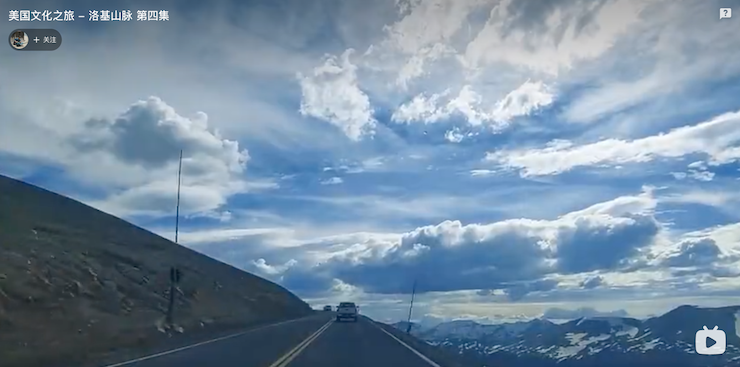
The viewing platform is located at an elevation of 100,000 feet, from which you get an unimaginable sense of visual impact with views of the slopes descending almost vertically from your feet, as well as the ice-covered peaks in the distance.
Holzwarth Historic Site
⭐⭐⭐⭐⭐ 4.6/5.0 (105 reviews)
This is where John Holzwarth, an immigrant from Germany, built a home with his family in 1917, and at the ruins, you can learn the story of the Holzwarth family’s beginnings and growth in this area, and how they took advantage of the natural conditions to build their family business in the Rocky Mountains.
Rainbow Curve Overlook
⭐⭐⭐⭐⭐ 4.9/5.0 (1,270 reviews)
A viewing platform on Trail Ridge Rd that makes a hairpin turn to the north, from which, standing on the side of the road, you can get a view of Chapin and Bighorn Mountains in the northern part of the park.
Many Parks Curve Overlook
⭐⭐⭐⭐⭐ 4.9/5.0 (1,261 reviews)
Located on Trail Ridge Rd at a viewing platform with a hairpin bend to the south, it offers a sweeping view of the southern part of the park, including the large wooded area at your feet and the ice-covered peaks in the distance.
Bear Lake
⭐⭐⭐⭐⭐ 4.8/5.0 (338 reviews)
One of the most popular lakes in Rocky Mountain National Park is surrounded by the Bear Lake Trail, along which you can visit Dream Lake and Emerald Lake, which are located on the west side of Bear Lake, and enjoy views of the lake surrounded by mountains.

Cub Lake Trailhead
⭐⭐⭐⭐⭐ 4.6/5.0 (44 reviews)
You can arrive by the park’s free shuttle and then hike along the Cub Lake Trail, which offers a variety of views of forests, meadows, lakes alpine, and more along the way. The trail is about 4.8 miles round trip and sits at an elevation of 8,080 feet, making it a moderately difficult hike, so it’s suitable for most visitors.
Hiking
Rocky Mountain National Park has a variety of hiking trails over 350 miles in length throughout all areas of the park, offering a wide range of difficulty levels to provide an optimal hiking experience for all travelers.
Ranger-Led Programs
If you want to learn more about Rocky Mountain National Park with a ranger, you can join “Ranger-Led Programs” at one of the many visitor centers, where they arrange tours and interpretive activities depending on the weather, all of which are free of charge, and you can come to learn about the features of Rocky Mountain National Park more easily. The Ranger-Led Programs are free of charge.
Bicycling
Almost all roads in the park that are open to motorized vehicles are open to bicycles, so you can bring your own bike into the park and enjoy the scenery along the way as you ride.
Be aware of the need to stay hydrated and the possibility of altitude sickness as you gain altitude. If you don’t have your bike, you can rent one from one of the many stores in Estes Park Town.
Check the park’s Bicycle Information page for information on roads that are tight for bicycling before traveling.
Horseback Riding (Horseback Riding)
Rocky Mountain National Park allows private horses and commercial operators to lead horses into the park, and you can sign up from multiple operators such as National Park Gateway Stables, Cowpoke Corner Corral Stables, Sombrero Stables, Jackson Stables, and more! Take a ride and enjoy Rocky Mountain National Park in the most unspoiled way possible.
Watching Wildlife
Rocky Mountain National Park is home to an abundance of wildlife, including large animals such as black bears, elk, and bighorn sheep to smaller animals such as squirrels and groundhog beavers, as well as a wide variety of amphibians, birds, and more, so bring your binoculars, and you’re likely to spot them anywhere in the park.
Winter Recreation
Some roads are closed when you enter Rocky Mountain National Park in the winter, but you can experience snowshoe walking in open areas, such as in the areas of Emerald Lake and Bear Lake, and in the small towns of Estes Park and Big Lake, where many businesses offer snowshoe rentals.
Alternatively, you can experience cross-country skiing.
Safety Tips
When visiting Rocky Mountain National Park, you need to pay special attention to lightning strikes, wildlife, and insect bites.
1. Beware of lightning strikes
Due to the terrain environment, Rocky Mountain National Park experiences a high frequency of thunderstorms during the summer months, and when lightning strikes, you must determine how to respond based on your location. You can check the park’s Lightning Safety Information page to see hazardous and safe areas and what to do in the event of a lightning strike.
2. Keep your distance from wildlife
The park is home to an abundance of wildlife, including large elk and bears to smaller squirrels and foxes.
You must maintain a distance of at least 36 meters for large animals, especially bears and elk, and a safe distance of at least 23 meters for medium-sized wildlife such as bighorn sheep and mule deer.
Whatever species of wildlife you encounter, do not pet, feed, etc.
3. Protection from insect bites
Bring bug spray or wear long sleeves and long pants to avoid being bitten by ticks and other insects, some of the diseases you may contract from insect bites in the park are:
- Colorado Tick Fever (Colorado Tick Fever / CTF)
- Rocky Mountain Spotted Fever / RMSP
- Tularemia / Rabbit Fever, etc.
4. Do not drink natural water in parks
Do not drink water from natural bodies of water in the park as you may be infected with Giardiasis.
Because some diseases have an incubation period of many days, if you develop a fever or other symptoms that may be associated with a disease after visiting Rocky Mountain National Park, contact your doctor and let them know if you have been bitten, etc., while in Rocky Mountain National Park.
More Travel Tips
- The Ultimate Travel Guide to Hot Springs National Park (2026 Edition)
- Ultimate Kid-Friendly Travel Guide to Dallas [2026]: Top Family Activities & Attractions
- Ultimate San Antonio Travel Guide [2026]: Top Attractions, Things to Do & Hidden Gems
- 12 Must-See Attractions Near Las Vegas in 2026: Top Day Trips & Hidden Gems
- 6 Top Attractions Near San Francisco in 2026: Best Day Trips & Hidden Gems
- Manhattan Travel Guide [2026]: Must-See Attractions and Local Insights
- Complete Guide to Arches National Park in 2026: Everything You Need to Know
- Lassen Volcanic National Park Travel Guide 2026: Must-See Sights and Hiking Trails
- Complete 2026 Guide to Zion National Park: Best Trails, Views & Things to Do
- The Ultimate 2026 Travel Guide to Grand Canyon National Park: Top Sights & Trails
